Categories
Academic Freedom Assets not Liabilities Big Number Big Picture Big Society British Biogas Burning Money Carbon Capture Corporate Pressure Direction of Travel Dreamworld Economics Efficiency is King Electrificandum Emissions Impossible Energy Change Energy Insecurity Energy Revival Energy Socialism Foreign Interference Foreign Investment Fossilised Fuels Freemarketeering Green Investment Green Power Hydrocarbon Hegemony Insulation Low Carbon Life Marine Gas Methane Madness Methane Management Money Sings National Energy National Power Not In My Name Nuclear Nuisance Nuclear Shambles Optimistic Generation Paradigm Shapeshifter Peace not War Peak Coal Peak Emissions Peak Energy Peak Natural Gas Policy Warfare Political Nightmare Price Control Realistic Models Regulatory Ultimatum Renewable Gas Renewable Resource Resource Wards Shale Game Solution City Stop War The Power of Intention The Price of Gas Unconventional Foul Ungreen Development Unnatural Gas Wasted Resource Western Hedge Wind of Fortune Zero Net

Gas in the UK (3)

Bursting the Nuclear Bubble

The UK Government appear to have seen the light about their, frankly, rubbish plan to covertly invest in (by hidden subsidies) a spanking new fleet of nuclear power reactors.

Dogged by Electricite de France (EdF) as they have been, with Vincent de Rivaz continuing to proffer his begging bowl with outstretched pleading arms, it just might be that before the Energy Bill is finally announced –

when the Electricity Market Reform (EMR) dust has settled – that this new thinking will have become core solidity.

After all, there are plenty of reasons not to support new nuclear power – apart from the immense costs, the unclear costs, the lack of immediate power generation until at least a decade of concrete has been poured, and so on (and so forth).

Gas is Laughing

It appears that reality has bitten – and that the UK Government are pursuing gas. And they have decided not to hatch their eggs all in one basket. First of all, there’s a love-in with Statoil of Norway :-

https://www.decc.gov.uk/en/content/cms/news/pn12_072/pn12_072.aspx
https://www.telegraph.co.uk/finance/newsbysector/energy/9316935/French-president-Francois-Hollande-cuts-retirement-age.html
https://www.bbc.co.uk/news/uk-politics-18344831
https://www.independent.co.uk/news/uk/politics/david-cameron-praises-uknorway-energy-linkup-7826436.html
https://www.guardian.co.uk/environment/damian-carrington-blog/2012/jun/07/energy-uk-norway-oil-gas-renewables

Then, there’s the new “South Stream” commitment – the new Azerbaijan-European Union agreement, spelled out in a meeting of the European Centre for Energy and Resource Security (EUCERS) on 12th June at King’s College, London :-

https://www.eucers.eu/2012/06/07/5-eucers-energy-talk-the-southern-gas-corridor-at-the-home-stretch/
https://abc.az/eng/news/65475.html
https://oilprice.com/Energy/Natural-Gas/Azerbaijan-Turkey-Deepen-their-Energy-Ties.html
https://euobserver.com/19/116394
https://www.atimes.com/atimes/Central_Asia/NC23Ag02.html

Meanwhile, the “North Stream” gas pipeline is going to feed new Russian gas to Europe, too (since the old Siberian gas fields have become exhausted) :-

https://www.bbc.co.uk/news/world-europe-15637244
https://www.nord-stream.com/pipeline/
https://www.gazprom.com/about/production/projects/mega-yamal/
https://www.gpilondon.com/index.php?id=325

And then there’s the amazing new truth – Natural Gas is a “green” energy, according to the European Union :-

https://www.guardian.co.uk/environment/2012/may/29/gas-rebranded-green-energy-eu

The UK will still be importing Liquified Natural Gas (LNG) from our good old friends in Qatar. Never mind the political interference in the nearby region and the human rights abuses, although NATO could be asked to put a stop to that if Europe needed to bust the regime in order for their energy companies to take ownership of the lovely, lovely gas. I mean, that’s what happened in Iraq and Libya, didn’t it ?

A Fossilised Future

So, despite all the green noises from the UK Government, the underlying strategy for the future (having batted away the nuclear buzzing insects around the corpse of British energy policy), is as Steve Browning, formerly of National Grid says – “gas and air” – with Big Wind power being the commercialisable renewable technology of choice. But not too much wind power – after all, the grid could become unstable, couldn’t it, with too much wind ?

There are several problems with this. First, the commitment to fossil fuels – even Natural Gas with its half the emissions profile of coal – is a risky strategy, despite making sure that supplies are secure in the near term. The reasons for this are geological as well as geopolitical. Natural Gas will peak, and even the UK Government accepts that unconventional gas will not keep fossil gas going forever – even with the “18 years” ultimate recoverable from under Lancashire of shale gas (that’s “18 years” of current gas annual demand – but not all drilled at once – perhaps amounting to about 1.5% of current UK gas supply needs per year, stretched out over 40 years) , and the billion tonnes of coal that can be gasified from under the sea off the east coast of England. As long as Carbon Capture and Storage can work.

Not only will Natural Gas peak and start to decline in the UK, it will also peak and decline in the various other foreign resources the UK is promising to buy. By simple logic – if the North Sea gas began depletion after only 30 years – and this was a top quality concentrated resource – how soon will poorer quality gas fields start depleting ?

Whilst I recognise the sense in making Natural Gas the core strategy of UK energy provision over the next few decades, it can never be a final policy. First off, we need rather more in terms of realistic support for the deployment of renewable electricity. People complained about onshore wind turbines, so the UK Government got into offshore wind turbines, and now they’re complaining at how expensive they are. Then they botched solar photovoltaics policy. What a palaver !

Besides a much stronger direction for increasing renewable electricity, we need to recognise that renewable resources of gas need to be developed, starting now. We need to be ready to displace fossil gas as the fossil gas fields show signs of depletion and yet global demand and growth still show strength. We need to recognise that renewable gas development initiatives need consistent central government financial and enabling policy support. We need to recognise that even with the development of renewable gas, supplies of gas as a whole may yet peak – and so we need to acknowledge that we can never fully decarbonise the energy networks unless we find ways to apply energy conservation and energy efficiency into all energy use – and that this currently conflicts with the business model for most energy companies – to sell as much energy as possible. We need mandates for insulation, efficient fossil fuel use – such as Combined Heat and Power (CHP) and efficient grids, appliances and energy distribution. Since energy is mostly privately owned and privately administered, energy conservation is the hardest task of all, and this will take heroic efforts at all levels of society to implement.

Categories
Academic Freedom Assets not Liabilities Big Picture Big Society British Biogas Burning Money Carbon Capture Climate Change Coal Hell Conflict of Interest Corporate Pressure Demoticratica Emissions Impossible Energy Change Energy Insecurity Energy Revival Engineering Marvel Evil Opposition Fossilised Fuels Gamechanger Global Heating Green Investment Green Power Human Nurture Hydrocarbon Hegemony Low Carbon Life Major Shift National Energy National Power Nuclear Nuisance Nuclear Shambles Optimistic Generation Paradigm Shapeshifter Peace not War Peak Emissions Peak Natural Gas Realistic Models Renewable Gas Renewable Resource Resource Wards Social Capital Social Change Solution City Technofix Technological Sideshow The Power of Intention The Price of Gas The War on Error Wasted Resource Western Hedge Zero Net

It’s got to be gas

Public Enemy Number One in energy terms has got to be burning coal to generate electricity. Although the use of some coal for domestic heating to supplement varying supplies of biomass in home stoves is going to continue to be very useful, using coal for power production is wasteful, toxic and high carbon.

Public Enemy Number Two in energy terms is nuclear power – a weight round our collective neck. Costly to build, costly to underwrite, costly to decommission: although its proponents claim it as a low carbon solution, even they admit the management of nuclear power can be polluting, risky and wasteful.

Public Energy Number Three in energy terms has to be the incredible amount of water required to keep the first two enemies in operation. Climate change is already altering the patterns of rainfall, both in geographical areas and in seasons. Any energy solutions that don’t require water supplies will be preferable.

Many environmental researchers oppose a growing dependence on Natural Gas for power generation in industrialised countries – they claim it will lock in carbon emissions production without Carbon Capture and Storage (CCS). Carbon Capture and Storage is way off in the never-never land at present, so it should not be factored in to analyses of carbon management. Ignoring CCS, it can be seen that substituting in Natural Gas power generation where coal has been the principal fuel is in fact a very good way to lower greenhouse gas emissions in the near term.

Natural Gas is not forever, not even with environmentally-ensured unconventional production, such as shale gas. Yet the Natural Gas infrastructure is highly important for developed and some parts of developing countries too. If we can re-imagine the future of gas, making gas fuels renewable, the already existing distribution of gas and appliances and equipment that use it, become a valuable asset.

The climate change crisis is an energy crisis. My position is that we need three vital things to solve this energy crisis : rationalised energy, renewable electricity and Renewable Gas. My key projection is that a 100% renewable energy world is possible, and in fact, inevitable, and to get from here to there we need to use gas fuels, but they need to become progressively renewable in order to meet the climate change crisis.

Natural Gas can not only be a “bridge fuel”. Supporting its use now, on the understanding that it will be replaced by Renewable Gas in the medium term, will enable links to be made between society and the energy industry, and break down the barricades between those who are against high carbon energy and those who sell high carbon energy.

Categories
Advancing Africa Advertise Freely Assets not Liabilities Bait & Switch Be Prepared Big Number Big Picture Big Society Carbon Commodities Climate Change Conflict of Interest Contraction & Convergence Corporate Pressure Deal Breakers Delay and Deny Demoticratica Direction of Travel Disturbing Trends Divide & Rule Dreamworld Economics Economic Implosion Emissions Impossible Energy Autonomy Energy Denial Energy Disenfranchisement Energy Insecurity Energy Revival Energy Socialism Engineering Marvel Evil Opposition Feed the World Foreign Interference Foreign Investment Fossilised Fuels Freemarketeering Global Warming Green Investment Green Power Growth Paradigm Hide the Incline Hydrocarbon Hegemony Low Carbon Life Major Shift Marvellous Wonderful Mass Propaganda Media Military Invention National Energy National Power National Socialism No Blood For Oil Not In My Name Nuclear Nuisance Nuclear Shambles Obamawatch Oil Change Optimistic Generation Paradigm Shapeshifter Peace not War Peak Coal Peak Emissions Peak Energy Peak Natural Gas Peak Oil Petrolheads Policy Warfare Political Nightmare Public Relations Pure Hollywood Regulatory Ultimatum Renewable Gas Renewable Resource Resource Curse Resource Wards Revolving Door Social Capital Social Change Social Democracy Solar Sunrise Solution City Stirring Stuff Stop War Sustainable Deferment Technofix Technological Fallacy Technological Sideshow Technomess The Myth of Innovation The Power of Intention The War on Error Ungreen Development Voluntary Behaviour Change Wasted Resource Western Hedge Wind of Fortune Zero Net

Energy Independence : Scheer Truth

Image Credit : Carl-A. Fechner, fechnerMedia

Renewable energy pessimists are everywhere.

Some commentators, government leaders, energy companies and representatives of international institutions are keen to show that not only is the renewable energy deployment glass half empty, the water hasn’t even wet the bottom of the glass yet.

Yet there are renewable energy architects – developers, promoters, politicians, scientists, engineers and academics – who document the evidence of the rapid growth in zero carbon energy – who show us that the sustainable energy glass could be brimming over.

What do experts say ? Here’s the belated Hermann Scheer from the film “The 4th Revolution : Energy Autonomy” :-

Categories
Bait & Switch Delay and Deny Disturbing Trends Divide & Rule Energy Autonomy Energy Disenfranchisement Energy Insecurity Evil Opposition Foreign Interference Foreign Investment Fossilised Fuels Hydrocarbon Hegemony Marine Gas Mass Propaganda Media Military Invention National Energy National Power No Blood For Oil Not In My Name Nuclear Nuisance Nuclear Shambles Obamawatch Peace not War Petrolheads Policy Warfare Political Nightmare Price Control Resource Curse Resource Wards Stop War The Price of Gas The Price of Oil Western Hedge

Energy Sovereignty for Iran

Here’s the prime time television where the U. S. Army chief admits that the American military know Iran is engineering at sea – although the General deliberately gets the purpose wrong.

[For an uncorrected transcript of the piece, see below at the end of this post].

He claims that Iran is going to use their engineering to shut the Strait of Hormuz, a major artery of oil transport from the Middle East to the world.

Whereas, in actual fact, Iran has been constructing facilities to mine marine, sub-sea Natural Gas in its territorial waters in the Persian Gulf, and wants to use it to generate electricity to export.

Iran is sitting on Natural Gas – a lot of Natural Gas. And a lot of it is at sea. There have been marine seismic surveys for sub-sea Natural Gas in the Persian Gulf over the last few years, and it seems, other countries have been spying on the Iranian offshore activities.

Clearly, with Iran’s intent to exploit its marine gas, there have been and will be construction ships and construction going on in the Persian Gulf and around the Strait of Hormuz, especially the islands of Kish and Qeshm. This should not be mistaken as a risk to oil shipping. It should not be claimed as indications of Iran seeking to close the Strait of Hormuz in retaliation for economic sanctions.

What is at stake here is no less than Iran’s energy sovereignty – its sovereign right to enjoy the wealth from exploiting its own energy resources.

The international pressure for an end to fossil fuel subsidies would hurt Iranian internal economic development (much like it’s hurting Nigeria, currently), and it would be forced to export oil and Natural Gas – no doubt at low market prices. Iran may end up no better off for trading.

The Iranians bought myths about nuclear power hook, line and sinker, and they believe they have a right to develop civilian atomic energy. Other countries, the United States of America in particular, keep pushing this button and claiming that Iran is heading for developing nuclear weapon capability. This is the most unbelievable accusation since…oh, I don’t know, since the USA accused Iran of a plot for a used car salesman and a Mexican, or something, to kill a Saudi ambassador, which was unadulterated nonsense.

America’s insistence that Iran is a threat because they claim that Iran is working towards constructing nuclear weapons, is so ridiculous, that few seem to have realised it is “deflection” – a propaganda technique to divert you from the real source of tension between the USA and Iran.

What America really doesn’t seem to like is countries like Iran (and Venezuela) making autonomous energy decisions, and creating their own wealth by using their own energy resources in their own way.

Maybe the American war hawks think “Why cannot Iran be more like Iraq, with western oil and Natural Gas companies with discount contracts, crawling over new resources and selling it all abroad ?”

Anyway, what is clear is that the spat between Iran and the USA has nothing to do with nuclear power or idle brinkmanship about controlling the flow of oil as a retaliation against economic sanctions.


NEWS BROADCAST TRANSCRIPT

https://www.bloomberg.com/video/83880880/

Bloomberg : 9 January 2012 : Lara Setrakian reports on the outlook for Iran to close the Strait of Hormuz as Europe prepares to follow tougher U. S. sanctions on the country over its nuclear program and the status of a pipeline that would allow oil from the United Arab Emirates to bypass the waterway. The pipeline has been delayed because of construction difficulties, two people with knowledge of the matter said. Setrakian speaks with Linzie Janis on Bloomberg Television’s “Countdown.”

[Ticker tape reads “AHMADINEJAD TURNS TO CHAVEZ FOR SUPPORT”]

[Linzie Janis] “The Persian Gulf could be closed off to ships altogether, that’s if tensions continue to escalate between Iran and the West. Iranian President Mahmoud Ahmadinejad is due to meet with Venezuelan leader Hugo Chavez later on today as part of a tour of Latin America. He is seeking s”upport” as Iran faces tighter U. S. sanctions over its nuclear program.

[Mahmoud Ahmadinejad in translation] We will discuss the intentions of the arrogant system interfering and having a military presence in other countries. We shall coordinate with our friends in Latin America to address this matter.

[Linzie Janis] Well with the very latest Lara Setrakian joins us with from Dubai

Lara itell it looks like the U. S. and Iran could be on a – – collision course here.

[Lara Setrakian] Well moving closer towards it, as Iran inches towards what the U. S. has called “two red lines” – advanced nuclear enrichment at the underground Fordow facility, and shutting the Strait of Hormuz – something that Iran told the A. P. [Associated Press] they’ll do if the E. U. oil embargo goes through later this month. The highest level U. S. assessment to date – that Iran could shut the Strait that would effectively trigger a military confrontation in the Persian Gulf.

General Martin Dempsey, American Department of Defense, United States Army Joint Chiefs of Staff Chairman] They’ve invested in capabilities that could [scratches nose – a classic sign of lying] in fact for a period of time block the Straits of Hormuz. We’ve invested in capabilities [rocking body slightly from side to side – a classic sign of swagger] to ensure that if that happens [giving a hard, fixed stare] we can, er, defeat that. [Looks down briefly – meaning that this information was a significant reveal] And so, the simple answer [shrugs shoulders to dimiss the concept] is yes, they can block it. Er… [ Looks down and to his right, our left, indicating a recall of something] And of course that is as well…[blinks to conceal the fact that he’s cut something out] we’ve described that as an intolerable act [shrugs shoulders as if to say, those Iranians have got it coming to them] and it’s not just intolerable for us [shakes head from side to side] it’s intolerable to the world [rubs one hand over another, which is a sign of nervousness]. But we would take action and re-open the Straits [shuts lips in beefburger bun clench and nodding as a sign that no more useful information will be forthcoming].

[ Ticker Tape reads : THREATS TO STRAIT OF HORMUZ SHIPPING ]

[Lara Setrakian] Meanwhile it could disrupt the biggest sea lane for the world’s shipped oil, what one analyst called “the ultimate fear in the oil market – it would spike prices”.

[Linzie Janis] So what kind of preparation are you seeing to counter that risk ?

[Lara Setrakian] Well, one of the biggest contigency plans so far has floundered – a pipeline here in the U. A. E. that would run from Abu Dhabi to the Port of Fujairah. It would avoid the Strait. It’s a $3.3 billion dollar project but it’s been delayed – not ready until April at the soonest. And it’s meant to move 1.5 million barrels per day, most of Abu Dhabi’s output, say two days at sea, but the pipeline has been delayed repeatedly by construction issues – one energy analyst Robin Mills pointing also to a pipeline in Saudi Arabia that’s meant to be another backup system [ Ticker Tape reads “FURTHER CONTINGENCY PIPELINES PLANNED”] that could take oil to the Red Sea after 5 million barrels of oil a day capacity and it could be expanded – again, all contigency planning – to keep oil free from any Iranian chokehold in the Persian Gulf.

Linzie.

[Linzie Janis] Lara, thank you very much.

Categories
Advancing Africa Assets not Liabilities Bad Science Bait & Switch Big Number Big Picture Big Society British Sea Power Burning Money Climate Change Coal Hell Delay and Deny Design Matters Direction of Travel Divide & Rule Efficiency is King Electrificandum Energy Change Energy Denial Energy Insecurity Energy Nix Energy Revival Energy Socialism Engineering Marvel Foreign Interference Fossilised Fuels Fuel Poverty Global Warming Green Investment Green Power Growth Paradigm Health Impacts Hide the Incline Human Nurture Hydrocarbon Hegemony Major Shift Money Sings National Energy National Power National Socialism No Blood For Oil Not In My Name Nuclear Nuisance Nuclear Shambles Oil Change Optimistic Generation Paradigm Shapeshifter Peace not War Peak Coal Peak Emissions Petrolheads Policy Warfare Political Nightmare Protest & Survive Renewable Resource Resource Wards Science Rules Social Capital Social Democracy Solar Sunrise Solution City Stirring Stuff Stop War Sustainable Deferment Technofix The Data The Power of Intention The War on Error Toxic Hazard Wasted Resource Western Hedge Wind of Fortune

Open Letter to Renewable Energy Deniers

To all Renewable Energy Deniers,

Things are getting so much better with renewable energy engineering and deployment – why do you continue to think it’s useless ?

We admit that, at the start, energy conversion efficiencies were low, wind turbine noise was significant, kit was expensive. Not now. Wind and solar farms have been built, data collected and research published. Design modifications have improved performance.

Modelling has helped integrate renewable energy into the grids. As renewable energy technologies have been deployed at scale, and improvements and adjustments have been made, and electricity grid networks have adapted to respond to the variable nature of the wind and the sunshine, we know, and we can show you, that renewable energy is working.

It’s not really clear what motivates you to dismiss renewable energy. Maybe it’s because you’re instinctively opposed to anything that looks like it comes from an “envionmentalist” perspective.

Maybe because renewable energy is mandated to mitigate against climate change, and you have a persistent view that climate change is a hoax. Why you mistrust the science on global warming when you accept the science on everything else is a continuing mystery to me.

But if that’s where you’re coming from when you scorn developments in renewable energy, you’re making a vital mistake. You see, renewable energy is sustainable energy. Despite any collapse in the globalised economy, or disruption to fossil fuel production, wind turbines will keep spinning, and solar panels will keep glowing.

Climate change has been hard to communicate effectively – it’s a huge volume of research, it frequently appears esoteric, or vague, or written by boffins with their heads in the clouds. Some very intelligent people are still not sure about the finer points of the effects of global warming, and so you’re keeping good company if you reserve judgement on some of the more fringe research.

But attacking renewable energy is your final stand. With evidence from the engineering, it is rapidly becoming clear that renewable energy works. The facts are proving you wrong.

And when people realise you’re wrong about renewable energy, they’ll never believe you again. They won’t listen to you when you express doubts about climate change, because you deny the facts of renewable energy.

Those poor fools who have been duped into thinking they are acting on behalf of the environment to campaign against wind farms ! Wind energy will be part of the backbone of the energy grids of the future.

We don’t want and we can’t afford the concrete bunkers of deadly radioactive kettles and their nasty waste. We don’t want and we can’t afford the slag heaps, dirty air and melting Arctic that comes from burning coal for power. We don’t want and we can’t afford to keep oil and Natural Gas producing countries sweet – or wage war against them to keep the taps open.

Instead we want tall and graceful spinners, their gentle arms waving electricity from the breeze. We want silent and dark photovoltaic cladding on every roof.

Burning things should only be done to cover for intermittency in wind and sunshine. Combustion is very inefficient, yet you support combustion when you oppose renewable energy.

We must fight waste in energy, and the rising cost of energy, and yet you don’t support the energy resources where there is no charge for fuel. Some would say that’s curmudgeonly.

When you oppose renewable energy, what is it you’re fighting for ? The old, inefficient and poisonous behemoths of coal hell ? We who support renewable, sustainable energy, we exchange clunky for sleek, toxic for clean. We provide light and comfort to all, rich and poor.

When you oppose renewable energy, you are being unbelievably gullible – you have swallowed an argument that can ruin our economy, by locking us into dependency on energy imports. You are passing up the chance to break our political obedience to other countries, all because wind turbines clutter up your panoramic view when you’re on holiday.

You can question the net energy gain from wind power, but the evidence shows you to be incorrect.

If you criticise the amount of investment and subsidy going into renewable energy, you clearly haven’t understood the net effect of incentivisation in new technology deployment.

Renewable energy has a positive Net Present Value. Wind turbines and solar panels are genuine assets, unlike the liabilities that are coal-fired power stations and nuclear reactors.

Renewable energy deployment will create meaningful, sustainable employment and is already creating wealth, not only in financial terms, but in social welfare terms too.

Renewable energy will save this country, so why do you knock it ?

Quizzically yours,

Categories
Advancing Africa Big Number Big Picture Burning Money China Syndrome Conflict of Interest Corporate Pressure Cost Effective Deal Breakers Delay and Deny Demoticratica Direction of Travel Disturbing Trends Divide & Rule Economic Implosion Efficiency is King Energy Change Energy Insecurity Energy Revival Energy Socialism Financiers of the Apocalypse Foreign Investment Freemarketeering Green Investment Green Power Growth Paradigm Hydrocarbon Hegemony Low Carbon Life Major Shift Money Sings National Energy National Power National Socialism Paradigm Shapeshifter Peak Natural Gas Peak Oil Policy Warfare Political Nightmare Price Control Regulatory Ultimatum Renewable Resource Resource Wards Solar Sunrise Solution City Sustainable Deferment The Power of Intention The Price of Gas The Price of Oil The War on Error Transport of Delight Wind of Fortune

Eco-Socialism #1 : Public Service, Private Profit

Public infrastructure and utilities are the skeleton of the national economy; the spokes of the wheel; the walls of the house.

Private corporations can in many cases put muscle on the body, a tyre on the bike, and furnish the rooms, but without the basic public provision, private enterprise cannot thrive.

Without taxes being raised – asking everybody for their appropriate contribution – there would be no guaranteed health service, education system, roads, water supplies, power networks.

Federal or central government spending is essential, and often goes without question or inspection – including subsidies, cheap government loans, tax breaks and even rule-bending and regulatory exemption for specific sectors of the economy. This policy lenience also applies to private companies that take on the provision of public utilities.

This explicit, but often glossed-over, support for public services means that private business can rely on this national infrastructure. Small businesses can rely on a power supply and waste disposal services, for example. Large businesses can rely on a functioning postal service and road network.

It is questionable whether for-profit enterprise would be able to survive without the basic taxation-funded provision of public services and utilities.

I can understand why governments feel the need to get public spending off the balance sheet, and outsource public utilities to the private sector.

There is a lingering belief that private enterprise makes public services more efficient; makes manufacturing more reliable; makes construction better quality.

In some cases, this belief in privatisation is justified. Where companies can genuinely compete with each other, there can be efficiencies at scale. However, the success of privatisation is not universal.

Many parts of a developed economy are monolithic – there is no real competition possible. You get electricity through your power socket from a variety of production companies – you cannot choose. The road between your house and your office is always the same road – you don’t choose between different tarmac suppliers. Your local hospital is your local hospital, regardless of who owns and runs it – you have no choice about who that is – and the government contract tendering process is not something open to a public vote.

Added to this lack of competition, in some cases, it is impossible to make a profit by operating a public service by a private concern.

There should be no rock under which private business can hide when it claims to be operating profitable train and bus services – without public subsidies, public transport cannot be run at a profit.

Liability for daily operations may have been outsourced to the British private train companies, but not the full cost of the services. Costs for locally-sourced services cannot be driven down because they cannot be made fully open to global competition.

By contrast, the globalisation of labour has been making manufacturing industry significantly cheaper for decades.

In order for globalised trade to work, finance has to be liberated from its nation-bound shackles, and so along with the globalisation of labour to nations where it’s cheapest, there has been the globalisation of finance, to the tax regimes less punitive.

The globalisation of trade is a two-way bargain between those that want to see the development of primitive economies and those who want to create wealth for their companies and their shareholders.

Globalisation has created a booming China, for example, and filled the pockets of any Western company that imports from China.

However, the tide of globalisation has reached the shore, and the power of the waves is being stilled by solid earth realities. Labour costs in previously under-developed economies are starting to rise significantly, as those economies start to operate internal markets as well as maintain export-led growth.

It could soon be cheaper to have manufacturing labour in the United States of America than China. But when that happens a curious problem will arise. Manufacturing industry has been closed down in the so-called industrialised countries – as companies have taken their factories to the places with the cheapest labour and the most lax tax.

Wealth creation potential in developed countries has been destroyed. And it is for this reason that Western governments feel the urgent need to privatise everything, because their economies are collapsing internally, and public budgets may no longer be able to sustain current government spending.

However, privatisation doesn’t work for everything. It doesn’t work for health, education, water, public transport. The European Common Agricultural Policy (CAP) is a vehicle to compensate for agricultural sectors than cannot make a profit. I would contend privatisation doesn’t work for the energy supply and distribution sector either – but for a special reason.

Normally, it is possible to run energy stations at a profit. The privatised sector inherited power stations and grid networks that were fully functioning, and the sales of power and Natural Gas were almost pure profit.

However, much energy plant needs to be lifecycled after decades of use – replacements are in order, and this demands heavy public investment, in the form of subsidies, or pricing controls, or tax breaks or some such financial aid, in order to avoid crippling the private companies.

Like the rail network, there is direct public investment in the power grids. This is to support new access for new energy plant. However, I think this doesn’t go far enough. I would argue that much more public tax-and-spend is required in the energy sector.

In future, most electricity generation needs to become low carbon and indigenous. The primary reason for this is the volatility of the globalised economy – it will no longer be possible to assume that imports of coal, Natural Gas and oil for power station combustion can be afforded – especially in economies like the United Kingdom, where much wealth creation has been destroyed by de-industrialisation.

It used to be easy to ignore this – as the North Sea was so productive in oil and Natural Gas that the UK was a net energy exporter. This is no longer the case.

To avoid the risk of national impoverishment, energy independence is dictated, spelled out by a deflating British economy and by the depleting North Sea reserves.

The easiest and fastest way to a power supply that is low carbon is by healthy investment in wind power and solar power. Yet with the turbulence in the global economy, spending on renewable energy has also been rocky.

Now is the time for the UK Government to stop tickling corporate underbellies to get them to invest in British energy, and to start collected tax revenues to spend explicitly on the energy revival.

It can be “matched” funding – the Renewables Obligation, for example, has drawn in massive levels of private investment into wind power. And the feed-in tariff scheme for solar photovoltaics had, until recently, been pulling in high levels of personal individual and private company investment.

This is the kind of public-private financing that works – create a slightly tilted playing field to tip the flow of money towards new energy investment, and watch the river flow.

Without public money ploughed into public infrastructure in non-profitable areas such as public transport and energy, private enterprise will not be able to make a contribution – they would quickly bankrupt themselves.

The result of capping public subsidies for renewable energy is a halt to renewable energy deployment. Those who resist wind farms are in effect destroying the country. Those who cap public subsidies for solar power want to break the nation.

We need socalist financing of new energy technology deployment, for the future wealth of our country.

Categories
Assets not Liabilities Babykillers Burning Money Carbon Commodities Demoticratica Efficiency is King Emissions Impossible Energy Revival Engineering Marvel Environmental Howzat Evil Opposition Foreign Interference Fossilised Fuels Freshwater Stress Green Investment Green Power Human Nurture Hydrocarbon Hegemony Low Carbon Life Major Shift Military Invention National Energy National Power Not In My Name Optimistic Generation Peace not War Renewable Resource Resource Curse Resource Wards Solution City Stop War The Power of Intention Tree Family Ungreen Development Wasted Resource Water Wars Western Hedge

2012 : Greenier and Peace-ier

My dear family.

They think I’m an environmentalist, a bit radical, a bit confrontational.

So for a fun wintertime gift they bought me this lovely cloth tote(m) bag for grocery shopping.

I think I might have failed to communicate myself clearly enough.

Although I try to be frugal and efficient in my way of life, recycling is not my central agenda.

I studied physics, but I don’t have a laboratory. The things that I believe need to be developed are technologies in the field of clean, green energy. I am an engineer without a workshop – although my home is now a power station.

Recycling is important, but reducing the use of resource materials is far more important.

Recycling is important, but energy waste is far more important. Digging things out of the ground and burning them in order to keep civilisation moving is the ultimate misuse of natural resources.

Recycling is important, but so are international relations, especially around the sourcing of commodities such as fossil fuels, rare metals, timber and freshwater.

The world needs to work together – to make friends, not invent enemies – even more so when those so-called opponents sit on vital energy resources.

May you have a year that is greener and has more peace.

Categories
Bad Science Bait & Switch Conflict of Interest Delay and Deny Disturbing Trends Divide & Rule Energy Insecurity Energy Revival Engineering Marvel Feel Gooder Fossilised Fuels Freak Science Freshwater Stress Gamechanger Geogingerneering Growth Paradigm Hydrocarbon Hegemony Marvellous Wonderful Methane Madness Money Sings National Energy National Power Non-Science Not In My Name Peak Natural Gas Policy Warfare Political Nightmare Resource Curse Resource Wards Science Rules Scientific Fallacy Shale Game Stirring Stuff Sustainable Deferment Technofix Technological Fallacy Technological Sideshow Technomess The Myth of Innovation The Price of Gas The War on Error Toxic Hazard Unnatural Gas Unqualified Opinion

Another Meeting I Will Not Be Attending

What appears to be a serious event is due to take place at the Energy Institute in London on 6th December 2011, “Peak Oil – assessing the economic impact on global oil supply“.

Dr Roger Bentley, author of a seminal 2002 paper on the subject, research that spawned hundreds of related learned articles, will be speaking.

But the event organisers have also invited one Dr Matt Ridley, the self-styled “rational optimist”, and member of the Global Warming Policy Foundation, and this, I’m afraid, prevents me from attending.


Ridley projects a view that many probably find comforting – as his headline in The Times of 1st October 2011 summarises – “Cheer up. The world’s not going to the dogs”.

He has been captured speaking at a TEDx event pouring scorn on “environmental” scare stories of the past, but not bothering to delve or dig into how mankind has actually gone out of its way to act on past crises and prevent catastrophes.

And now he’s thrown in his lot with the shale gas miracle men, writing a report with a foreword by Freeman Dyson, one of the world’s most balanced individuals.

How much uncorroborated optimism can one man contain ?

Categories
Carbon Army Carbon Pricing Climate Change Cost Effective Not In My Name Obamawatch Peace not War Policy Warfare Political Nightmare Price Control Resource Curse Resource Wards Sandstorm Smokestorm The Price of Gas The Price of Oil

Cheering on the Occupation

I am deeply concerned about the ramping up in rhetoric about Iran’s imagined nuclear weapons programme. I say “imagined” because there is no evidence pointing towards Iran doing anything other than they say they are doing – following a civilian nuclear power programme.

In fact, this bluster has nothing at all to do with the power of atoms, peaceful or otherwise. From my point of view, it’s all about controlling the price of fuel.

Economic sanctions against Iran are being considered on the basis of the International Atomic Energy Agency report on Iran’s nuclear ambitions and activities, and this I would consider highly deceitful. The “international community” may well impose further trade embargoes on Iran, but the underlying reason for such action has nothing to do with nuclear suspicion. I believe that applying economic sanctions against Iran is all about forcing Iran to export more fossil fuel – principally Natural Gas – and to do so cheaply.

In fact, there is a two-pronged assault on Iran’s energy sovereignty taking place – not only are economic sanctions already in place, there are calls from the highest top table for an end to fossil fuel subsidies. People have been cheering this on because at first glance it looks like a carbon control policy, but in reality it will lead to Western economic occupation of Iranian hydrocarbons – an occupation, it is hoped, to be accomplished without finding some excuse for a military intervention.

Categories
Bait & Switch British Biogas Carbon Capture Energy Insecurity Engineering Marvel Fossilised Fuels Freemarketeering Gas Storage Geogingerneering Hydrocarbon Hegemony Hydrogen Economy Major Shift Money Sings Peak Energy Peak Natural Gas Peak Oil Policy Warfare Political Nightmare Realistic Models Renewable Gas Renewable Resource Resource Wards Technofix Unnatural Gas Wasted Resource

Carbon Capture and Syngas

Back in the 1970s they were expecting global cooling – of the economy. There were oil shocks and shocking prices, and petrochemists beavered away, sweating over test tubes the size of football fields, whisking up synthetic fuels.

It was not the first time that the world had tried to synthesise liquid vehicle fuel. Hitler famously did it during the Second World War, and had it not been for Bergius and Fischer-Tropsch, Nazi Germany would have collapsed much sooner under the anvil of global economic sanctions. I mean, the history books insist the multi-pronged military assault was responsible for the Victory in Europe, but the final push would never have succeeded without the suspension of energy trade.

Various syngas and synfuel projects have continued in various places, mostly America, and although the first plants used coal and Natural Gas to make other things, these days the emphasis is on biomass.

We can expect to see a dramatic rise in the amount of Biogas and Bio-syngas produced over the next few decades, along with renewably-sourced hydrogen. It will all get fed into the global syngas refineries, and out will pop power, vehicle fuel and chemistry.

Categories
Babykillers Be Prepared Big Number Big Picture Biofools British Biogas British Sea Power Carbon Capture Climate Change Climate Damages Corporate Pressure Cost Effective Delay and Deny Demoticratica Direction of Travel Energy Change Energy Insecurity Energy Revival Foreign Interference Fossilised Fuels Geogingerneering Green Investment Green Power Hydrocarbon Hegemony Incalculable Disaster National Energy National Power No Blood For Oil Not In My Name Nuclear Nuisance Nuclear Shambles Oil Change Peace not War Peak Energy Peak Oil Petrolheads Policy Warfare Political Nightmare Regulatory Ultimatum Renewable Gas Renewable Resource Resource Curse Resource Wards Solar Sunrise Solution City Stop War Sustainable Deferment Technofix Technological Fallacy Technological Sideshow The Power of Intention The War on Error Transport of Delight Unnatural Gas Western Hedge

Solar FIT to Bust #5

Germany can do it, but not the British. The Collected Republic of the People can install solar power with great will and nerve, but not Johnny English.

Let’s be clear here – the people in Scotland have a vision for future Renewable Energy, and so do many people in Wales and Ireland, but it appears English governance listens to fuddy duddy landowners too readily, and remains wedded to the fossil fuel industry and major construction projects like nuclear power, and carbon capture and storage.

What precisely is wrong with the heads of policy travel in Westminster ? Do they not understand the inevitable future of “conventional” energy – of decline, decimation and fall ?

It really is of no use putting off investment in truly sustainable and renewable power and gas. There are only two paths we can take in the next few decades, and their destination is the same.

Here’s how it goes. Path A will take the United Kingdom into continued dodgy skirmishes in the Middle East and North Africa. Oil production will dance like a man with a stubbed toe, but then show its true gradient of decline. Once everybody gets over the panic of the impending lack of vehicle fuel, and the failure of alternatives like algal biodiesel, and the impacts of a vastly contracted liquid fuel supply on globalised trade, then we shall move on to the second phase – the exploitation of gas. At first, it will be Natural Gas. But that too will decline. And then it will be truly natural gases. As gas is exploited for vehicles, electricity will have to come from coal. But coal, too, is suffering a precipitous decline. So renewable energy will be our salvation. By the year 2100, the world will run on renewable electricity and renewable gas, or not at all.

Categories
Bait & Switch Big Picture Biofools British Biogas British Sea Power Conflict of Interest Corporate Pressure Delay and Deny Demoticratica Direction of Travel Divide & Rule Drive Train Electrificandum Energy Change Energy Revival Engineering Marvel Environmental Howzat Feel Gooder Financiers of the Apocalypse Fossilised Fuels Gamechanger Gas Storage Green Investment Green Power Hydrocarbon Hegemony Hydrogen Economy Major Shift Marvellous Wonderful Mass Propaganda Media Methane Management National Energy National Power Not In My Name Nuclear Nuisance Nuclear Shambles Oil Change Optimistic Generation Peak Emissions Peak Energy Peak Oil Policy Warfare Political Nightmare Public Relations Regulatory Ultimatum Renewable Gas Renewable Resource Resource Wards Shale Game Social Capital Social Change Solar Sunrise Solution City Stirring Stuff The Power of Intention The War on Error Toxic Hazard Transport of Delight Wind of Fortune Zero Net

Renewable Gas : Balanced Power

People who know very little about renewable and sustainable energy continue to buzz like flies in the popular media. They don’t believe wind power economics can work. They don’t believe solar power can provide a genuine contribution to grid capacity. They don’t think marine power can achieve. They would rather have nuclear power. They would rather have environmentally-destructive new oil and gas drilling. They have friends and influence in Government. They have financial clout that enables them to keep disseminating their inaccuracies.

It’s time to ditch the pundits, innuendo artists and insinuators and consult the engineers.

Renewable Gas can stand in the gap – when the wind doesn’t blow or the sun doesn’t shine and the grid is not sufficiently widespread and interconnected enough to be able to call on other wind or solar elsewhere.

Renewable Gas is the storing of biologically-derived and renewably-created gases, and the improving of the gases, so that they can be used on-demand in a number of applications.

This field of chemical engineering is so old, yet so new, it doesn’t have a fixed language yet.

However, the basic chemistry, apart from dealing with contaminants, is very straight-forward.

When demand for grid electricity is low, renewable electricity can be used to make renewable hydrogen, from water via electrolysis, and in other ways. Underused grid capacity can also be used to methanate carbon-rich biologically-derived gas feedstocks – raising its stored energy.

Then when demand for grid electricity is high, renewable gas can be used to generate power, to fill the gap. And the flue gases from this combustion can be fed back into the gas storage.

Renewable gas can also be biorefined into vehicle fuels and other useful chemicals. This application is likely to be the most important in the short term.

In the medium-term, the power generation balance that renewable gas can offer is likely to be the most important application.

Researchers are working on optimising all aspects of renewable gas and biorefinery, and businesses are already starting to push towards production.

We can have a fully renewable energy future, and we will.

Categories
Babykillers Big Picture Big Society Corporate Pressure Demoticratica Disturbing Trends Energy Disenfranchisement Energy Insecurity Evil Opposition Foreign Interference Fossilised Fuels Gamechanger Health Impacts Human Nurture Hydrocarbon Hegemony Major Shift Marine Gas Mass Propaganda Military Invention Money Sings National Energy No Blood For Oil Not In My Name Peace not War Political Nightmare Protest & Survive Resource Curse Resource Wards Stop War The War on Error Unconventional Foul Unnatural Gas Water Wars

Natural Gaza (4)

What’s wrong with this map ? Yes, the same old question. And the answer is again the same – the lack of geographical accuracy in the map reflects the lack of legal accuracy on the part of Israel in appropriating marine Natural Gas that belongs to the Palestinian Gaza Strip.

The map is taken from a new research paper by Brenda Shaffer, of the School of Political Sciences at the University of Haifa, which has been accepted for publication in Energy Policy at some point in the near future :-

https://www.sciencedirect.com/science/article/pii/S0301421511004113
“Energy Policy : Article in Press, Corrected Proof : doi:10.1016/j.enpol.2011.05.026 : Israel – New natural gas producer in the Mediterranean : Brenda Shaffer : Received 7 November 2010; accepted 16 May 2011. Available online 2 June 2011”

Categories
Big Picture Fossilised Fuels No Blood For Oil Oil Change Peace not War Political Nightmare Resource Curse Resource Wards Social Change The Myth of Innovation The War on Error Unconventional Foul

Venezuela : The New Frenemy

What if Venezuela is America’s new “frenemy” – the oil-producing trading friend that the United States just loves to hate ? They might not have an appetite or budget for military intervention, but considering the fossil fuel resources locked away under Venezuelan soil and sea, they might just be pleased at a change in the regime – and only one person would need to be removed to make that happen…

Since the economic sanctions were imposed on Venezuela by the USA, for trading with Iran, several very interesting events have transpired, several of them on the same day, 8 June 2011.

Categories
Big Picture Biofools Burning Money Carbon Capture Carbon Commodities Climate Change Conflict of Interest Corporate Pressure Disturbing Trends Economic Implosion Emissions Impossible Energy Change Energy Insecurity Evil Opposition Financiers of the Apocalypse Foreign Interference Foreign Investment Fossilised Fuels Green Investment Green Power Growth Paradigm Hydrocarbon Hegemony Money Sings National Energy No Blood For Oil No Pressure Not In My Name Nuclear Nuisance Nuclear Shambles Nudge & Budge Obamawatch Oil Change Peace not War Peak Emissions Peak Energy Peak Oil Petrolheads Policy Warfare Political Nightmare Pure Hollywood Resource Wards Stop War Western Hedge

Flashback 2008 : Who Pays for the Re-Powering ?

2nd November 2008

Browsing at a newsagent on a mainline railway station…

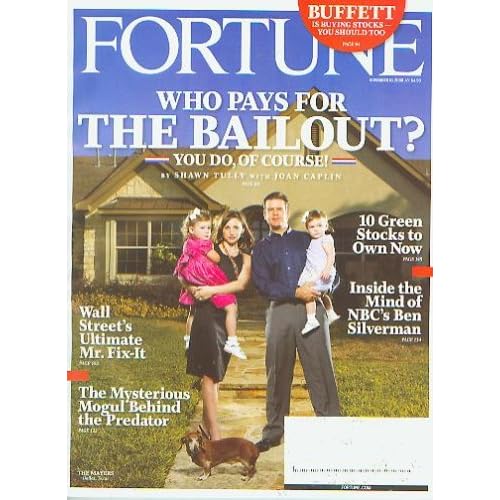
The question on the front cover of Fortune magazine, Europe edition Number 20, November 2008, already on the stands is “Who Pays for The Bailout ? You do, of course”. Of course, as this Credit Crunch means Bailout argument plays out, the issue of Energy and Climate Change is lost. But the question should be all about how to create a new green economy. Who pays for the re-powering ?

A sign of the greening times – another story teaser on the Fortune magazine advises “10 Green Stocks to Own Now”, and the front of the Independent on Sunday quotes Obama claiming that Energy is his “number one priority” in his bid for presidential election, with his “Apollo” project :-

“Obama’s green jobs revolution : Democrat will lead effort to curb world’s dependence on oil; Plans to create five million new posts in clean energy projects : By Geoffrey Lean in San Francisco and Leonard Doyle in Washington : Sunday, 2 November 2008 : Obama has pledged to create five million new ‘green collar jobs’ if elected : Barack Obama is promising a $150 billion “Apollo project” to bring jobs and energy security to the US through a new alternative energy economy, if his final push for votes brings victory in the presidential election on Tuesday. “That’s going to be my number one priority when I get into office,” Mr Obama has said of his “green recovery” plans. Making his arguments in a radio address yesterday, the Democratic favourite promised: “If you give me your vote on Tuesday, we won’t just win this election. Together, we will change this country and change the world.”…”

Meanwhile…Gordon Brown and Ed Miliband (and Peter Mandelson) get off the plane in Saudi and beg for investment into green energy in the UK :-

“Gulf petrodollars help UK go green : Brown calls for Saudis to give more cash to IMF : Gaby Hinsliff, political editor : The Observer, Sunday 2 November 2008 : The fight against climate change will get an unexpected boost today from oil-rich Gulf states which will pledge to invest some of their petrodollar profits in British green energy projects. The surging oil price over the past year has left parts of the Middle East awash with cash as the rest of the world is squeezed by the credit crunch, making Arab royals some of the few active investors worldwide. The Gulf states have enjoyed a $1.4 trillion windfall from higher oil prices since 2003. Ed Miliband, the Climate Change Secretary, arrived in Saudi Arabia yesterday with Gordon Brown at the start of a tour of the region. He said some of that cash would now ‘help our firms reap the rewards from going low carbon and providing green energy to thousands of families’ under a so-called ‘green Gulf deal’ to be announced today…”

But that’s not the real reason why they are there. Ostensibly, the delegation’s serious business is about asking Saudi and other Arab oil states to contribute more towards the International Monetary Fund :-

“Gordon Brown in the Middle East : Brown hopeful of Saudi cash for IMF : Allegra Stratton in Riyadh, guardian.co.uk, Sunday 2 November 2008 15.30 GMT : Gordon Brown said today he was hopeful of success in his attempts to persuade dollar-rich Gulf states to prop up ailing national economies through a massive injection of capital into the International Monetary Fund (IMF). The prime minister spent three hours in one-to-one talks with Saudi Arabia’s King Abdullah, trying to persuade the monarch to invest in a revamped IMF. On the first leg of a four-day visit to the Middle East, and aiming to secure hundreds of billions of dollars for the fund, Brown called off a planned dinner with business leaders accompanying him so as to allow maximum negotiating time with the Saudi king. The IMF currently has around $250 billion in its emergency reserves but there are fears that, with Hungary, Iceland and Ukraine having already sought assistance and more nations expected to follow, the sum might not be sufficient. Brown hopes to persuade Gulf leaders to use some of the estimated $1 trillion they have made from high oil prices in the last few years to boost the reserves, indicating that he would like to see the current sum increased by “hundreds of billions” of dollars. The prime minister said following the talks that he was hopeful of having secured Saudi backing…”

But hang on, what’s this ? :-

“…Brown, who is accompanied by a high-level trade delegation seeking Gulf investment, including the CEOs of BP and Shell…”

What on earth are BP (formerly British Petroleum) and (Royal Dutch) Shell doing in a delegation to the Arab states begging for the IMF charity fund and green energy investment ? Is it that BP and Shell won’t pay for green energy and it’s too hard to ask the British people to pay extra tax, so they’re coming to the Arab countries for a green energy bail-in ? What is going on here ? If OPEC countries are all in the “Axis of Evil”, and no foreign oil and gas companies can get a toehold, why are BP and Shell in the government delegation to Saudi ?

Paying for new energy systems can be expensive. The European Union Emisssions Trading Scheme is saying they want 100% of carbon emissions auctioned by 2013 to pay for larger projects – Carbon Capture and Storage and new Nuclear Power. However, the costly deadweight “white elephant in the room” is not nuclear power, but dead wells.

Are they all talking about Peak Oil in the OPEC Gulf, and proposing business opportunities to the King of the House of Saud to offset the Middle East’s future total loss of business as the wells empty – offering them compensation in the form of green investment deals ? Asking the Saudis to join the green energy race now and get ahead ?

BP and Shell have benefited from the recent rise in the price of oil, profiting even as the oil price has hit millions and created impoverishment. But they’re going to have to spend a very large amount on exploration for new oil and gas from now on. So why is there still resistance to spending more on renewables ? Can BP and Shell ever be convinced to go green ? Would a barrel load of toxic news work ? No. BP and Shell can’t pay for green energy because they have to maintain the profits of their shareholders. Pensions are going to be bad enough without forcing major “British” oil companies to pay for such things as bioethanol, algae biodiesel, solar panels and wind farms.

Action to tackle climate change must be a “tight shadow” on Peak Oil and its fall – tighter than the 9.1% depletion of the largest wells projected by the International Energy Agency (IEA) To reverse the oil decline, and more so to take action on climate change, investment is required. Banks are becoming owned by oil-rich nations, but this is simply a natural outcome of poor financial regulation that led to the Credit Crunch. However, it doesn’t mean that the future will be oil and gas necessarily. This new layer of ownership of financial bodies is not significant, as it will not seriously impact the greening of energy, if people are serious about it.

What is of value here is not banking but energy itself, which underpins the entire economy. The scenario is this : Saudi Arabia will not admit in public that it’s going down because of “Peak Oil”. They would prefer to keep up the revenue, but they’re not “engineering” a reduction of supply. It’s reducing anyway.

From their perspective, allowing supplies to weaken, by not doing any new investment into raising production, would be protecting their reserves to sell in future. A good strategy – even more so as prices rise against losses of supply but strong demand (even despite the blooming recession).

I figure that what BP and Shell are doing in the Middle East is making the case to the major oil-producing states to keep on pumping.

I guess that what Gordon Brown is doing is making the Saudis an offer they can’t refuse – either the major western states will implement measures to control oil prices which would make OPEC lose revenue, or the Saudis can underwrite the global bailout.

This mission is not about green energy investment. It’s about keeping the oil flowing.

Categories
Big Number Carbon Capture Coal Hell Design Matters Direction of Travel Emissions Impossible Energy Change Energy Insecurity Energy Revival Fossilised Fuels Green Power Growth Paradigm Low Carbon Life Methane Management Nuclear Nuisance Nuclear Shambles Optimistic Generation Peak Emissions Policy Warfare Realistic Models Regulatory Ultimatum Renewable Gas Renewable Resource Resource Wards Technological Fallacy Technological Sideshow The Power of Intention Unnatural Gas Wind of Fortune

George Monbiot : Wrong Choice

Data Source : IEA via ESDS

This chart shows why George Monbiot, Mark Lynas and Stephen Tinsdale have all plumped for the wrong choice – new Nuclear Power cannot deliver more electricity or reduce carbon dioxide emissions for us at the time when we need it most – the next few years :-

0. Massive energy conservation drives – for demand management – are clearly essential, given the reduction in UK generation.

1. It is impossible to increase new Nuclear Power capacity in less than ten years, but total UK generation is falling now, so now and in the next few years is the timeframe in which to add capacity. We cannot go on relying on Nuclear Power imports from France – especially given the rate of power outages there.

2. The fastest growing generation sources over the next few years will be Wind Power, Solar Power and Renewable Gas – if we set the right policies at the government and regulator levels.

Categories
Babykillers Carbon Army Carbon Capture Coal Hell Dead End Dead Zone Disturbing Trends Emissions Impossible Energy Change Energy Insecurity Energy Revival Environmental Howzat Evil Opposition Fossilised Fuels Gamechanger Genetic Modification Geogingerneering Human Nurture Hydrocarbon Hegemony Incalculable Disaster Major Shift Military Invention No Blood For Oil Not In My Name Nuclear Nuisance Nuclear Shambles Oil Change Peace not War Peak Energy Resource Curse Resource Wards Tarred Sands Technomess Toxic Hazard Unconventional Foul Unnatural Gas Western Hedge

The toxic legacy of mined energy

We are stardust ? Well, not quite. As carbon-based lifeforms we’re actually the offspring of a young sun, composed of the lighter elements, with a low concentration of a few transition metals essential for our health and vitality. Irn Bru, anyone ?

The actual products of exploding old stars that got lodged in the crusty skin of the accreting Earth are often quite toxic to us. Over millions of years, heavy and radioactive elements, being of no use to the ecosystem, have been deposited at the bottom of lakes, seabeds, and ended up lodged in seams of coal, and caverns of petroleum oil and Natural Gas. Uranium ores and other nasties have been overlain by forests and deserts, and only rarely vent, like radon, from Vulcan’s infernal lairs.

And what do humans do ? We dig this stuff up to burn or fission for energy, and when we do it creates toxic waste, that hurts us, and the life around us. Why are we surprised that mercury from the coal power industry is killing fish and harming children ? Why is it a shock that the tailing ponds from mining tar and oil sands are devastating pristine wilderness and waterways ?

Categories
Babykillers Deal Breakers Energy Insecurity Evil Opposition Foreign Interference Foreign Investment Hydrocarbon Hegemony Mass Propaganda Media Military Invention No Blood For Oil Not In My Name Obamawatch Peace not War Pure Hollywood Resource Curse Resource Wards Stop War The War on Error Western Hedge

One wedding and several funerals

[ UPDATE : SEVERAL NEW PLAUSIBLE FACTOIDS HAVE EMERGED NECESSITATING CHANGES. ]

Jubilant scenes across New York as mass flag-waving breaks out to celebrate.

Are they congratulating Wills and Kate ? The Americans probably reviewed the TV ratings for the right royal wedding and decided they too needed something to boost the morale of the nation. So they went and killed Osama Bin Laden.

Or not. He could have been dead for days, because the plans were made weeks ago. Was he killed pre-emptively ahead of the collective British regal marital hysteria ? Why did the young newlyweds ship out to an “undisclosed location” instead of jetting off on honeymoon, pronto ? Was there a “credible threat” made on their lives in retaliation at the death of the Al Qaeda spiritual leader ? Or was an unarmed Osama bin Laden murdered by a surprise military attack at night at his family home after an Al Qaeda threat was made on Prince William and his new wife ? You have to admit the timing of the news is interesting…

Bin Laden “buried at sea” ? Yeah, right. If his body was dumped at sea, that could cause considerable affront to his supporters, but at least it would cover the fact that he had been dead for well over 24 hours, which would be an even worse affront according to Muslim burial traditions. If the body was no longer fresh enough for a photo shoot a hypothetical burial is necessary, one that can obscure the facts from international cameras and mobile phones. The Americans sent in a hit squad rather than dropping bombs from drones. Why go in person ? To make sure they have video and photographic evidence of the killing to show to Hillary Clinton and Barack Hussein Obama a few days later ? And by what moral and legal justification did Barack Hussein Obama issue a kill order instead of capturing Osama bin Laden for trial for his alleged crimes against humanity ?

Meanwhile, back in Libya, several other funerals have taken place after a NATO bombing raid in Tripoli, at night, targeting the Gaddafi family home, the victims of which included a son and some grandchildren of Colonel Gaddafi (and possibly even Muammar Gaddafi, the Brother Leader, himself, was killed too, although we don’t know that for sure yet) and sparked massive protest, which may lead to foreign troops “on the ground” to “finish off” the war – maybe disguised by gas masks, or under cover of enacting war crimes warrants. Various world leaders have declared they want to see the end of the current regime in Libya. NATO might be used to protect energy supplies. It could get a whole lot nastier now. What had Libya and Libya’s leader done to deserve this ? Declare energy independence ? :-

https://www.ft.com/cms/s/0/67d1d02a-5314-11e0-86e6-00144feab49a.html#axzz1LD4mxQ1w
“Oil companies fear nationalisation in Libya : By Sylvia Pfeifer and Javier Blas in London : Published: March 20 2011 : Western oil companies operating in Libya have privately warned that their operations in the country may be nationalised if Colonel Muammer Gaddafi’s regime prevails. Executives, speaking on condition of anonymity because of the rapidly moving situation, believe their companies could be targeted, especially if their home countries are taking part in air strikes against Mr Gaddafi. Allied forces from France, the UK and the US on Saturday unleashed a series of strikes against military targets in Libya…”

Osama bin Laden was arguing for a end to foreign interference in Arab territories, which naturally would have involved reasserting national control of oil and gas resources, and retaining wealth in the countries of origin. And many western strategists believe that this “threat” should never be allowed to happen. Osama bin Laden, in poor health, had probably negotiated a deal where he was allowed to live peacefully in retirement, but things changed, and the American Navy stormed his house at night and killed him and attacked his family. If the United States go after a sick man, and nearly murder his wife just because she happened to be in the way when they shot him (no taking prisoners, then), what will they do now ? Take out Pakistan for harbouring him (even though they agreed to host Osama bin Laden’s retirement in the first place) ? Or cut international aid intended for disaster relief in Pakistan ? It is now a distinct possibility that by encouraging universal joy over the death of the “sinner” bin Laden, a great piece of media entertainment, the world audience is being warmed up for overpowering violence against Libya, whipped up by American hawks. The deal breakers. All the wrong actions for all the wrong reasons.

And what did Barack Hussein Obama say ? “No Americans were harmed“, whilst “bringing Osama bin Laden to justice…Justice has been done“. Internal moral compasses may flinch at these words. Justice normally involves a court of law, not the President of the United States watching an “enemy of America” being liquidated on a secure webcam. Two victims of extensive and enduring negative American propaganda have been attacked with full military might whilst tucked up in bed at home. Who’s next ? Julian Assange ? Hugo Chavez ? Some other man made out to be a demon ? And while Ed Miliband, Labour Party leader in the United Kingdom says the world is now a “safer place”, Americans are being issued with travel advisories.